Building software is easy.
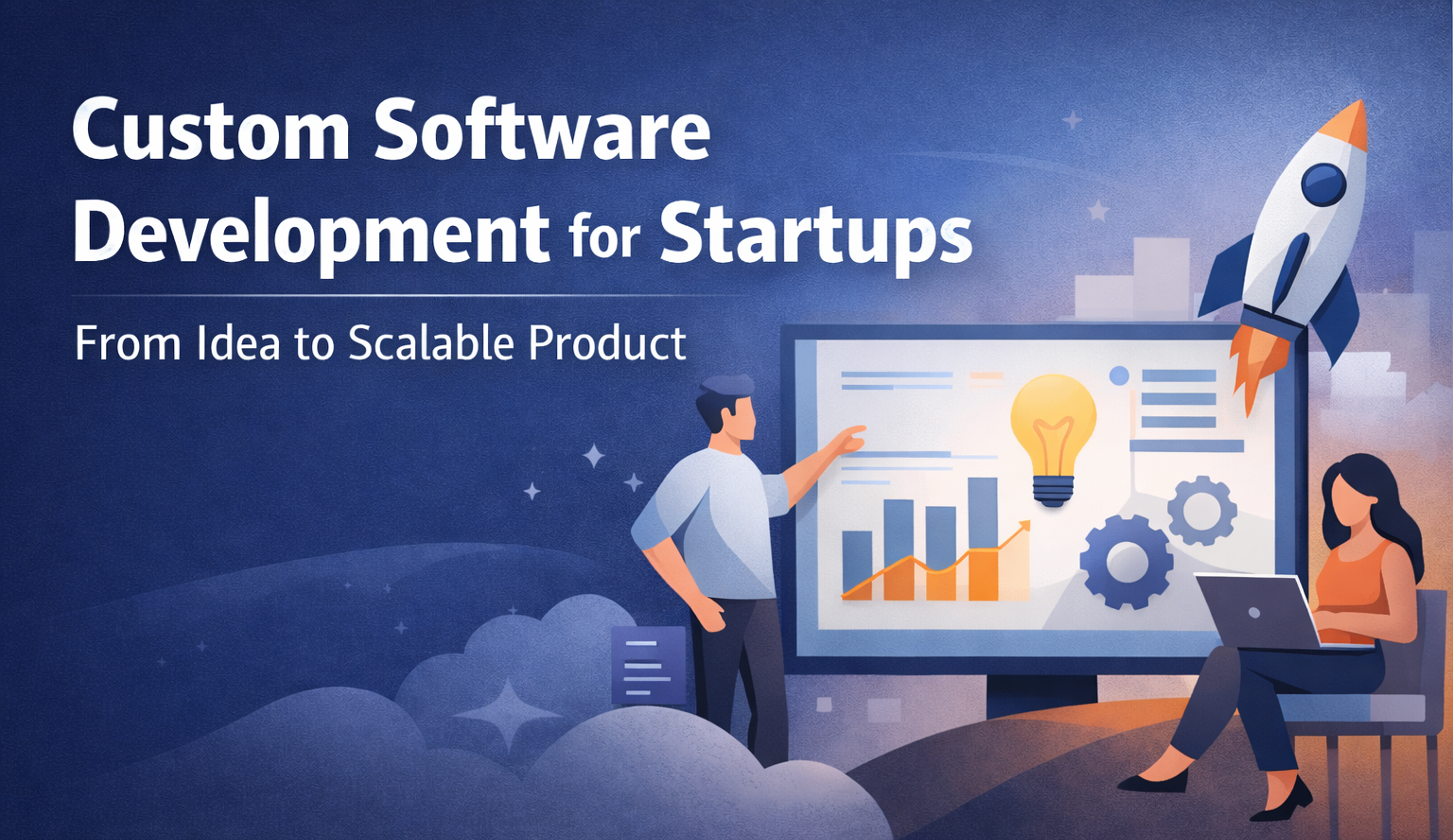
Building the right software — that actually scales, generates revenue, and doesn’t require rebuilding — is where most startups struggle.
Custom software development for startups is not about writing code. It’s about solving a real business problem with the right product strategy, technical architecture, and execution plan.
At RapidNexTech, we help founders turn raw ideas into production-ready software that grows with their business instead of slowing it down.
1. What “custom software” really means for startups
Custom software means building a solution specifically for your business model, users, and workflows — not forcing your idea into a generic template.
For startups, this usually includes:
- A web or mobile product (SaaS, platform, marketplace)
- Internal tools or dashboards
- Workflow automation and integrations
- Customer-facing systems with real users and real data
The goal: Not just to “launch”, but to create a system that supports growth.
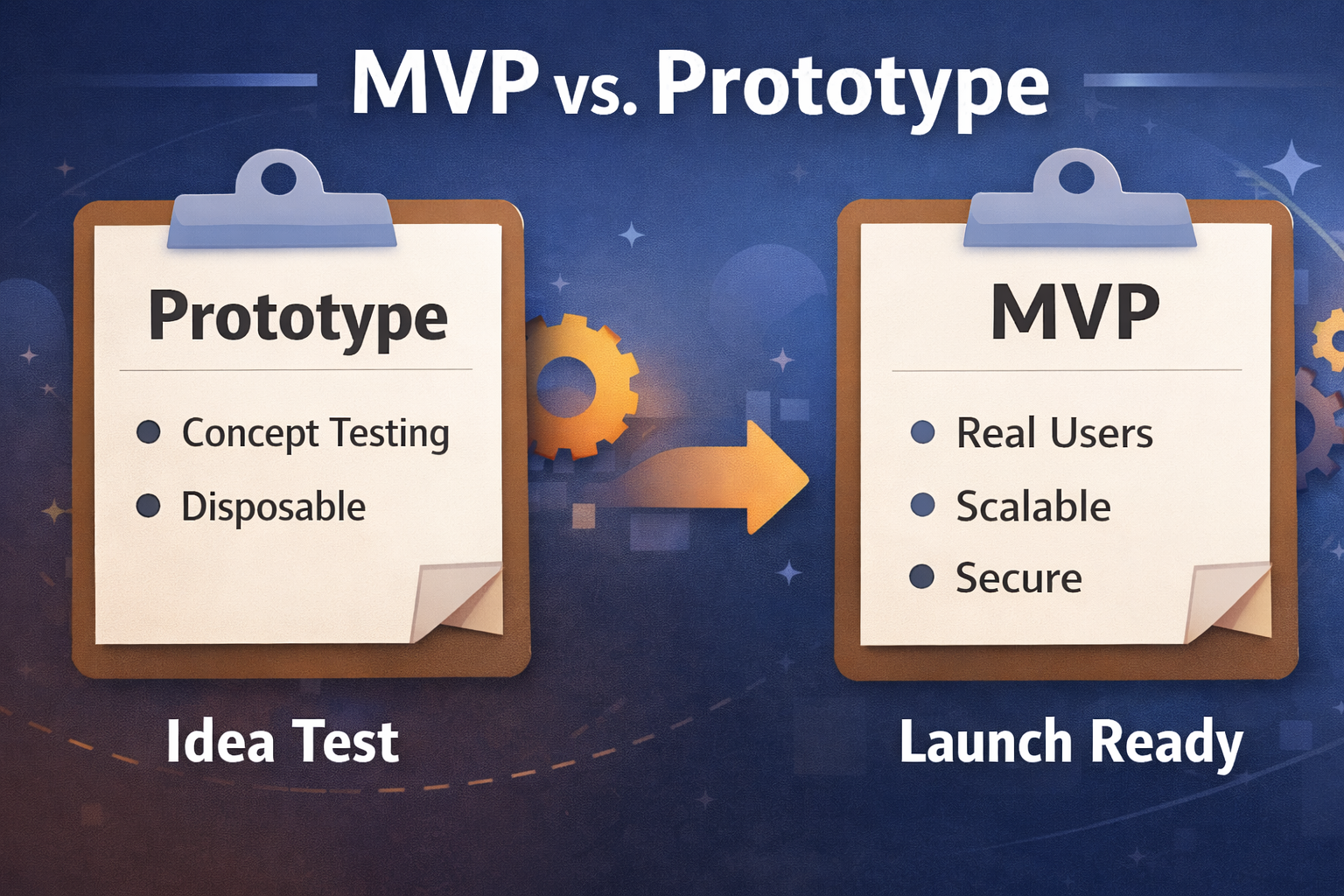
2. MVP vs Prototype: A critical difference
One of the biggest mistakes startups make is confusing an MVP with a prototype.
The Prototype
- Used for testing ideas
- Often disposable
- Focused on visuals or flows
The MVP (Minimum Viable Product)
- Used by real users
- Handles real data
- Must be stable, secure, and scalable
If users depend on your product weekly or daily, you are building an MVP — not a prototype. That means your architecture, database, and security decisions matter from day one.
3. How to define the right MVP scope
A strong MVP focuses on one clear outcome: What problem does this product solve better than anything else?
Instead of listing features, define:
- The main user journey
- The core action users take
- The business metric you want to improve
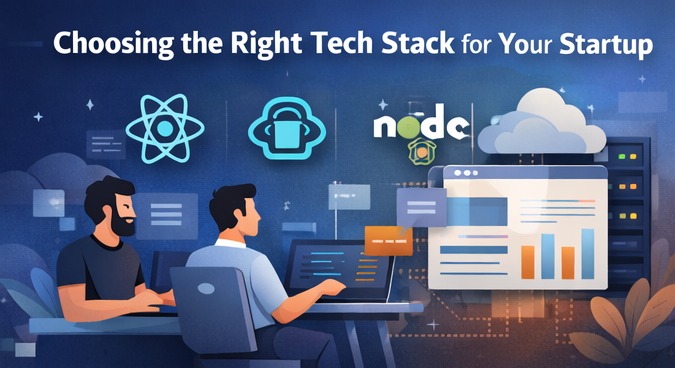
4. Choosing the right tech stack
Your tech stack should optimize for:
- Speed of development
- Hiring availability
- Long-term maintainability
- Performance and scalability
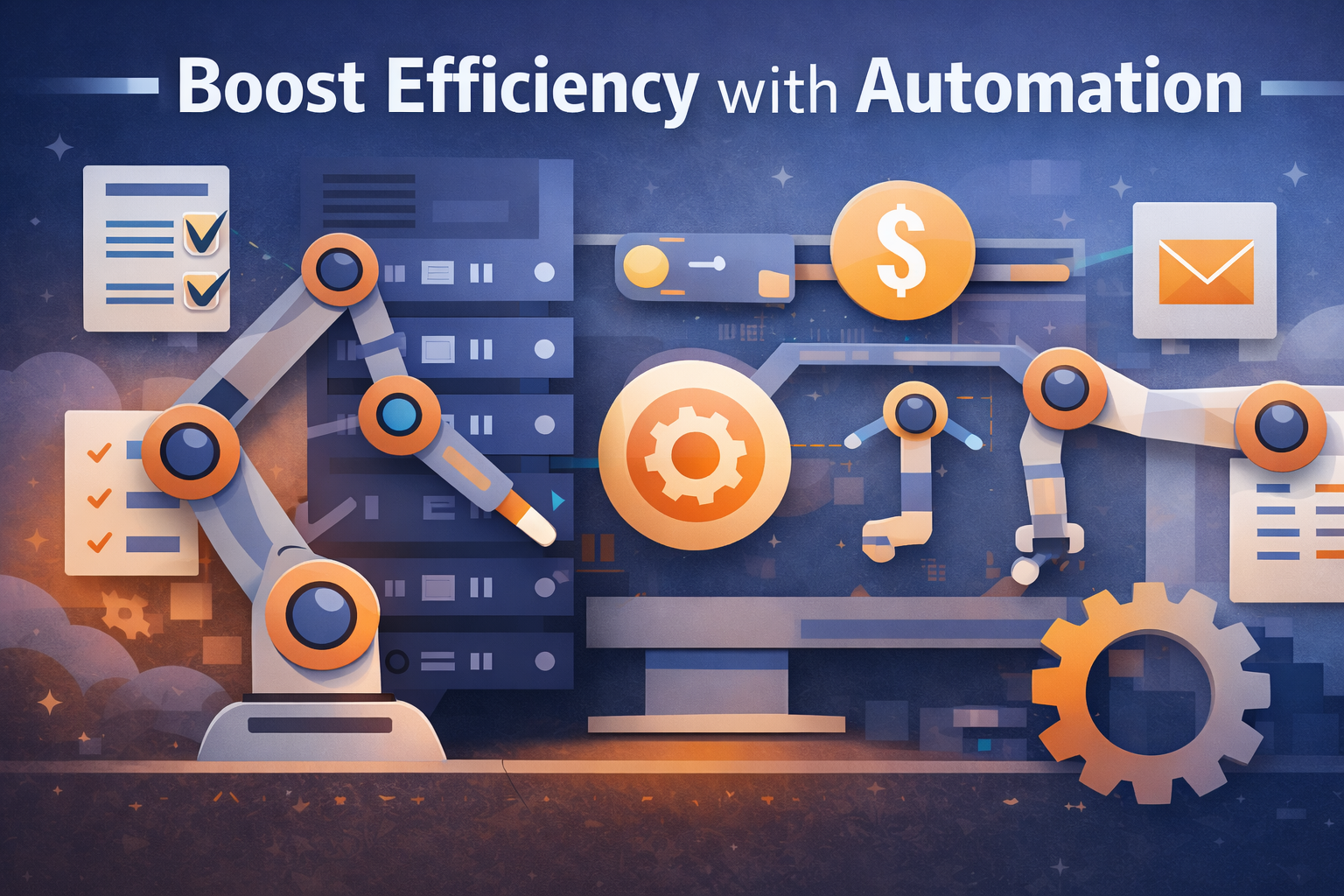
5. Why automation is a growth multiplier
As startups grow, manual work becomes a hidden cost. Modern startups treat automation as a core part of their software strategy, not an afterthought.
Common automation opportunities:
- Lead management and CRM flows
- User onboarding & billing
- Reporting and analytics
6. The ideal development process
A reliable custom software process looks like this:
- Discover: Understand goals, users, and business logic.
- Plan: Define scope, roadmap, and system architecture.
- Build: Iterative development with continuous testing.
- Deliver: Deployment, monitoring, and handover.
Conclusion
Custom software development for startups is not about speed alone — it’s about building something that can survive growth.
If you want to build a scalable product with a clear technical foundation, RapidNexTech helps you go from idea to production with confidence.
Ready to Discuss Your Project?